Choosing the right golf cart tires can significantly impact your game. Understanding how to choose the right golf cart tires is crucial for performance and safety. The right tires can enhance traction, improve ride quality, and increase durability on various terrains.
There are several factors to consider when selecting tires. Golf carts often traverse both paved paths and rugged trails. A tire designed for one surface may not perform well on another. Selecting a tire that fits your golfing habits is essential. Experienced golfers emphasize the importance of evaluating tire tread patterns. You might think all tires are similar, but small differences matter.
You may also want to reflect on your cart’s weight, your typical golf destinations, and playing frequency. These elements can affect what tire suits you best. Choosing the wrong tire may lead to a cumbersome ride, poor traction, or even damage. Ultimately, the right decision comes from thoughtful consideration of your needs and preferences.
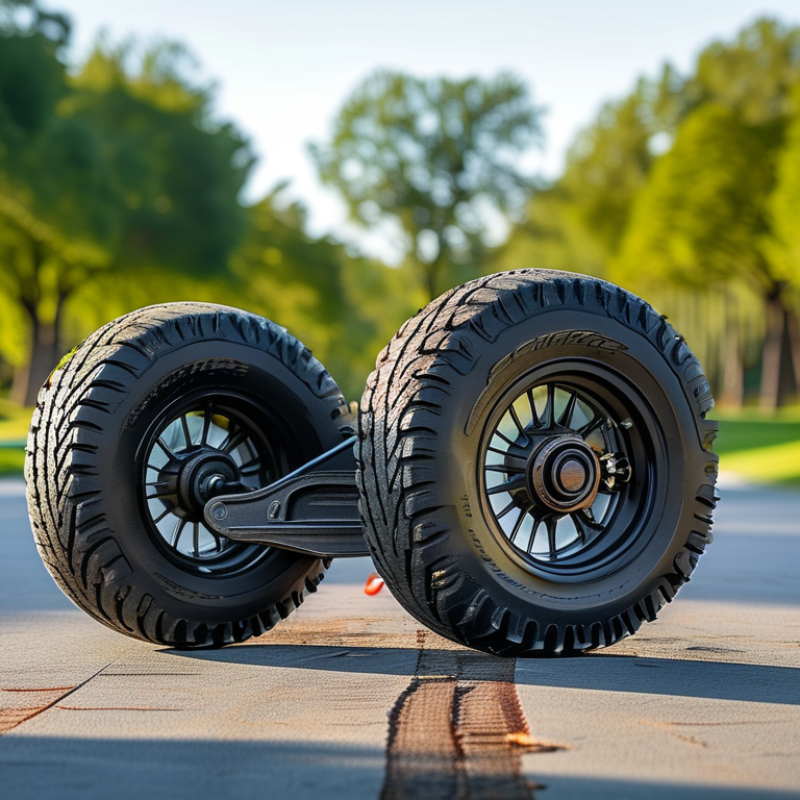
When selecting golf cart tires, understanding the types available is crucial. Tires vary in design and performance, catering to different terrains and uses. For instance, turf tires are designed for a smooth ride on grass, while all-terrain tires provide better grip on uneven surfaces. Consider the primary environments where you'll drive your cart.
Choosing the right tire can enhance your cart's performance. Look for tires that suit your needs. If you often drive on the golf course, turf tires may be best. For off-road paths, opt for all-terrain models. Understanding your tire choice is essential for safety and comfort.
Pay attention to tire pressure regularly. Under-inflated tires can cause sluggish performance. Additionally, think about tread patterns. The right tread can make a difference in traction and handling. Don't forget to keep an eye on wear and tear, as this can affect your ride quality. Each of these factors plays a significant role in your driving experience.
When selecting golf cart tires, several factors warrant careful consideration. The terrain you frequently navigate plays a significant role. For instance, soft terrain may require deeper treads for better traction. A study by the National Golf Foundation found that nearly 60% of golf courses feature uneven surfaces. This means that tread design becomes crucial for stability and performance.
Another essential factor is tire size. It impacts ride quality and overall cart handling. A report from the Recreational Vehicle Industry Association indicates that properly sized tires can improve fuel efficiency and reduce wear on the vehicle. Additionally, consider the tire's ply rating. A higher ply rating typically indicates greater strength and durability. This is vital for golf carts that regularly carry heavy loads.
Lastly, evaluate the type of rubber used in tire construction. Softer compounds may offer better grip but could wear out more quickly. This trade-off should align with your riding style and frequency of use. It’s a bit complex. Finding the balance between durability and performance can be challenging. Thus, careful thought into each of these factors can enhance your golf cart experience significantly.
When selecting the right golf cart tires, compatibility is crucial. Tire size affects performance, safety, and comfort. Measure your current tires or check your owner's manual for specifications. This step ensures you buy the right size. A mismatch can lead to handling issues and increased wear.
Tips for tire selection include considering the terrain. If you drive on rugged paths, opt for tires with deeper treads. On smooth surfaces, a slicker tire may offer better speed. Test different options if possible. This helps you to understand what works best for your golf cart.
Don't overlook the importance of quality. Cheap tires might save money initially, but they wear out quickly. Investing in durable tires can improve your golf cart’s performance over time. Ensure they are rated for the weight of your cart. This is a common oversight that can lead to accidents. Poorly chosen tires can cause instability, making it vital to choose wisely.
When choosing golf cart tires, understanding tread patterns is essential. The tread design significantly affects traction and overall performance. Different patterns serve various terrains, impacting handling and stability. For instance, a deep lug tread provides better grip on rough surfaces. Conversely, a smooth tread is ideal for paved paths.
Consider specific conditions when selecting tire treads. If you frequently drive on wet grass, select tires with grooves that channel water away. This helps prevent hydroplaning and ensures better control. Analyzing your common routes will guide your choice. Be aware that not every tread pattern is suitable for all terrains. Trying out different patterns may lead to unexpected results.
Check the wear and tear of your current tires. Sometimes, we overlook signs of damage or uneven wear. This affects performance and safety. Regularly inspect the tires for signs of wear, like cracks or bald spots. Addressing these issues promptly ensures that your tires perform optimally. This simple step can make a significant difference in your golfing experience.
When selecting golf cart tires, assessing their quality and durability is crucial. Quality tires enhance performance, safety, and longevity. According to a report by the National Golf Cart Tire Association, high-quality tires can improve traction by up to 30%. This boost plays a significant role in your golf game.
Durability is another key factor. Most golf cart tires have a lifespan of 3 to 5 years, depending on usage and maintenance. Tires made from durable rubber compounds demonstrate better wear resistance, especially in varied terrain. Studies indicate that tires designed for multi-surface use last longer and perform reliably in both grass and pavement conditions.
Proper tire pressure also affects durability. Under-inflated tires wear out faster and can lead to accidents. A balance between comfort and stability impacts performance, making it vital to choose wisely. Seek tires with a tread pattern designed for grip and stability. This not only prolongs life but also contributes to an enjoyable ride. Selecting the right tires can make a substantial difference on the course.
: Consider the terrain, tire size, ply rating, and rubber type for optimal performance.
Different terrains require specific tread designs for better traction and stability.
Proper tire size impacts ride quality and cart handling, improving efficiency.
A higher ply rating indicates more strength and durability for carrying loads.
Softer rubber offers grip but wears out faster; balance is crucial.
Tread patterns impact traction and stability; choose based on your common routes.
Regularly inspect for wear and damage signs, like cracks or bald spots.
Most tires last 3 to 5 years, depending on use and maintenance.
Under-inflated tires wear out quickly and can lead to safety hazards.
They enhance performance and safety, potentially improving traction by up to 30%.
When considering how to choose the right golf cart tires, it's essential to understand the different types and their specific uses. Golf cart tires come in various designs catering to different terrains, so identifying the model suitable for your needs is the first step. Factors such as tire size, compatibility with your golf cart, and the terrain where you'll be driving are crucial in guiding your selection process.
In addition, evaluating tread patterns can significantly impact your cart's performance, offering better traction and stability. Lastly, prioritizing the quality and durability of the tires ensures that they can withstand regular use and various environmental conditions. By focusing on these aspects, you can make an informed decision and enhance your golfing experience.

Volt Golf