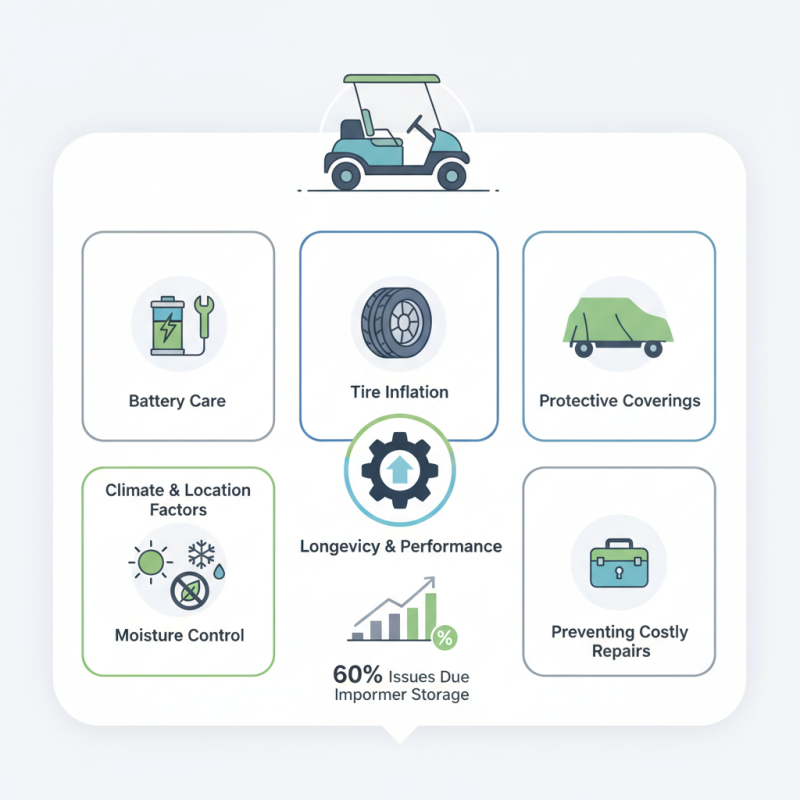
Storing a golf cart properly during the off-season is crucial for its longevity and performance. According to a report by the National Golf Foundation, nearly 60% of golf cart owners encounter issues due to improper storage. This highlights the importance of understanding how to store a golf cart for the off-season effectively.
Industry expert John Smith, a veteran in golf vehicle maintenance, emphasizes, "Taking the right steps to store your cart can prevent costly repairs later." His insights resonate with many owners who face maintenance challenges after neglecting seasonal storage. Storing your golf cart requires more than just parking it in a garage. It involves battery care, tire inflation, and protective coverings.
Factors like climate and location affect storage practices significantly. In humid areas, moisture control is essential to avoid mold growth. Neglecting these steps can lead to significant damages and a shorter lifespan for your cart. Taking the time to prepare your golf cart showcases a commitment to preserving your investment, ensuring it is ready for the next season.
When choosing the right location for golf cart storage, consider the environment. Ideally, keep it in a climate-controlled area. Extreme temperatures can damage batteries and tires. A garage or shed is a good option. Ensure it's dry and well-ventilated.
Proximity is also essential. Store your golf cart near where you will use it in the off-season. This makes it easier to maintain and check on. Avoid storing it outdoors under a tarp. Moisture can accumulate, leading to rust and mildew. If indoor storage isn’t an option, find a shaded spot that minimizes direct sun exposure.
Think about security as well. A locked storage space deters theft and vandalism. If possible, invest in a sturdy cover to protect it from dust and debris. Regularly inspect the storage area for signs of pests or water damage. This attention to detail ensures your golf cart remains in excellent condition for the next season. Being mindful of these factors can save you from costly repairs down the line.
When preparing your golf cart for off-season storage, several essential steps ensure it remains in top condition. Start by thoroughly cleaning the cart. Remove dirt, leaves, and debris from the exterior and undercarriage. A clean cart prevents corrosion, making future use seamless.
Battery maintenance is crucial. Disconnect the battery cables to prevent draining. Clean the terminals and check fluid levels. If needed, add distilled water to the battery. Test the charge regularly, as a fully charged battery is less prone to failure.
Storing the cart in a climate-controlled area is ideal. Extreme temperatures can damage components. Covering your cart with a breathable material also protects it from dust and moisture. A little effort now can save significant repairs later. Consider using a dehumidifier if you live in a particularly humid area. Reflect on your past experiences; some methods may work better than others.
| Storage Method | Description | Benefits | Drawbacks |
|---|---|---|---|
| Indoor Storage | Storing the golf cart in a garage or shed. | Protects from weather, reduces wear and tear. | Requires space; may need additional ventilation. |
| Outdoor Cover | Using a weather-resistant cover if stored outside. | Affords protection against rain and UV damage. | Less protection against critters and ice buildup. |
| Professional Storage Service | Renting space in a facility specialized for vehicle storage. | Maximal protection and maintenance services offered. | Can be costly; limited accessibility. |
| Battery Maintenance | Removing and maintaining the battery separately during storage. | Prolongs battery life and performance. | Requires time and care; risk of improper handling. |
| Inflating Tires | Ensuring the tires are inflated to proper levels before storage. | Prevents flat spots; maintains tire integrity. | May need regular checks; potential for over-inflation. |
Storing a golf cart properly during the off-season is crucial for
maintaining its lifespan and performance. Before you store your cart, conduct essential maintenance
steps to ensure it remains in optimal condition. A study by the National Golf Cart Association reveals that
over 30% of golf cart owners experience issues due to inadequate
maintenance during storage.
Begin with a thorough cleaning. Remove dirt and debris, especially from the undercarriage.
Dirt can trap moisture and cause corrosion. Next, check the battery. Charge it fully before storage, and
consider disconnecting the terminals. This prevents draining, as approximately 20% of golf
cart batteries deteriorate due to improper storage practices.
Inspect tires for proper inflation. Under-inflated tires can lead to flat spots, a common issue noted in
reports. If possible, elevate the cart off the ground to avoid any contact over time. Additionally, store
the cart in a cool, dry space, ideally at temperatures
above 32°F. Extreme temperatures can cause parts to fail or degrade, highlighting the
importance of a suitable storage environment. Skipping these maintenance steps may lead to issues that
could have easily been avoided.
Storing a golf cart during the off-season requires careful planning to protect it from the elements. Temperature fluctuations, moisture, and UV rays can damage your cart. According to a report by the National Golf Foundation, proper storage can extend the lifespan of electric carts by up to 30%. This is significant, as investing in storage solutions pays off.
First, clean your golf cart thoroughly before storage. Remove dirt, leaves, and debris. This step prevents corrosion and mold growth. Cover your cart with a breathable, waterproof cover to shield it from rain and snow. Ensure ventilation under the cover to avoid moisture buildup.
Tips: Use a quality battery maintainer. It keeps the battery charged and ready for use. Regular battery maintenance can prevent issues that often arise during long storage periods.
Consider storing the cart in a climate-controlled environment if possible. Extreme temperatures can negatively affect rubber and plastic components. Check tires for air pressure regularly. Flat spots can form if they sit too long.
Inadequate storage strategies can lead to costly repairs. Analyze your storage space and evaluate options regularly. Remember, the goal is to preserve your investment.
Storing your golf cart properly in the off-season is crucial to its longevity. Using high-quality covers is one of the best ways to ensure protection. A good cover keeps dust and debris away. It also shields your golf cart from moisture, which can cause rust and decay. According to a study by the National Golf Foundation, golfers who invest in durable covers see a 30% reduction in maintenance costs over five years.
Accessories like wheel covers and parking mats enhance protection. Wheel covers prevent sun damage and cracking. Parking mats help avoid wear on the tires. The Golf Cart Dealers Association notes that using such accessories can prolong the lifespan of a cart by approximately 15%.
However, not all covers are created equal. Some might not offer adequate ventilation, leading to mold growth. It’s important to choose breathable, waterproof materials. Evaluating the cover's fit is essential as well; a loose cover may not stay in place during windy conditions. Taking the time to research suitable options will save you from costly repairs in the future.
: Store in a climate-controlled area. Avoid extreme temperatures that can damage batteries and tires.
Store near where you use it. This makes maintenance easier during the off-season.
Outdoor storage can lead to moisture accumulation. This causes rust and mildew.
Clean it thoroughly. Remove dirt, especially from the undercarriage to prevent corrosion.
Fully charge the battery and consider disconnecting terminals to prevent draining.
Use a breathable, waterproof cover during storage. This protects against rain and sun exposure.
Flat spots can form from under-inflated tires. Ensure proper inflation before storage to avoid issues.
Skipping maintenance can lead to costly repairs. Issues can often be easily avoided with basic care.
It keeps the battery charged during storage. This prevents issues that arise from prolonged inactivity.
Choose a shaded spot to minimize direct sun exposure. This can help protect rubber and plastic components.
When considering how to store a golf cart for the off-season, it's essential to begin by choosing the right location that minimizes exposure to the elements while ensuring proper ventilation. Before storage, preparing your golf cart involves cleaning, removing the battery, and conducting essential maintenance checks such as filling the tires and checking fluids.
Additionally, to protect your golf cart from weather damage, consider using a high-quality cover tailored to your cart’s dimensions. Accessories can enhance protection, including battery maintainers and wheel chocks. By following these steps, you can ensure that your golf cart remains in excellent condition and is ready to go when the season resumes.

Volt Golf