Charging a golf cart without a charger may sound challenging, but it is possible with the right methods. Many golfers experience the frustration of a dead battery away from home. Knowing how to charge a golf cart without a charger can save your day on the course. Finding alternative solutions is crucial, especially in remote locations.
You might consider using a car battery or a jump starter. Both options can provide the necessary power needed to get your golf cart running again. However, it is important to ensure proper connections to avoid damage. Incorrect usage can lead to complications and may require professional assistance. Awareness of the risks is essential when exploring these options.
While there are techniques to charge without a charger, they may not always be reliable. The alternatives can vary in efficiency and safety. Often, the ideal solution is a proper charger. It’s vital to evaluate your situation and choose wisely. Be prepared for the need to reflect on your approach. Ultimately, knowing how to charge a golf cart without a charger offers flexibility, but caution is key.
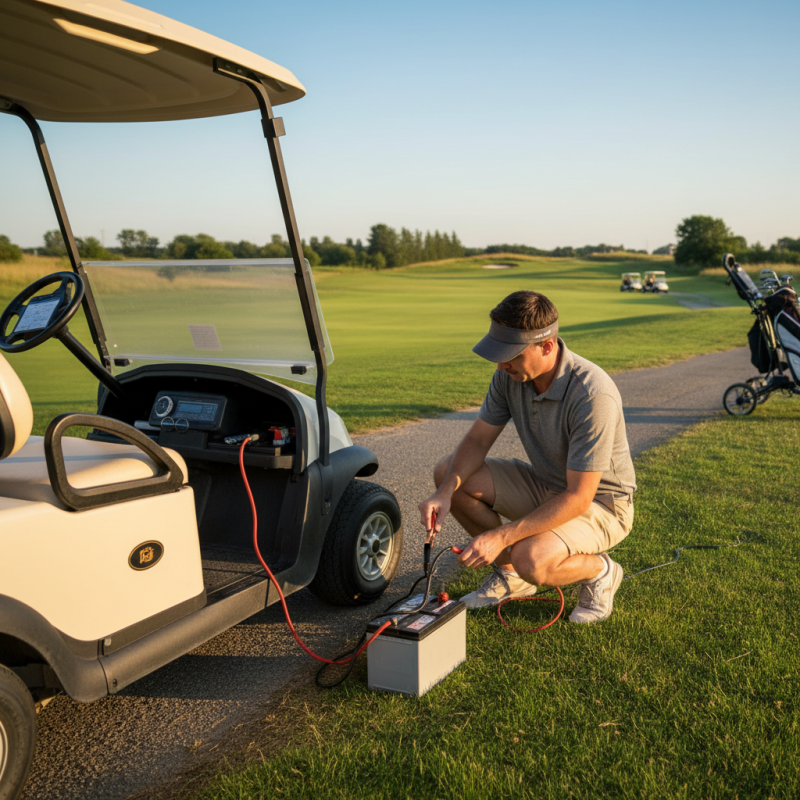
Understanding golf cart batteries is crucial for optimal charging. Most golf carts use deep-cycle lead-acid batteries. These batteries are designed to provide steady power over long periods. They differ from regular car batteries, which deliver short bursts of energy. Knowing this can help prevent mistakes during charging.
Regular maintenance extends battery life. Check the water levels often. Low water can damage batteries. Clean the terminals to prevent corrosion. This simple step can enhance performance significantly. Ensure that connections are tight to avoid resistance.
If you find yourself without a charger, you might need alternative methods. Jump-starting can work if done carefully. Use a regular car battery and jumper cables. However, this method is not without risks. Inadequate connections could lead to issues. Always verify compatibility to avoid damage. Being informed about battery basics aids in making better decisions. Understanding your cart's power needs leads to better care and longevity.
| Battery Type | Voltage | Capacity (Ah) | Charging Method | Estimated Charge Time |
|---|---|---|---|---|
| Lead Acid | 6V | 220 Ah | Solar Panel | 8-12 hours |
| Deep Cycle | 12V | 150 Ah | Trickle Charger | 10-15 hours |
| Lithium-Ion | 12V | 100 Ah | Smart Charger | 4-6 hours |
| Gel Battery | 6V | 200 Ah | Battery Equalizer | 6-10 hours |
Charging a golf cart without a traditional charger can appear challenging but exploring alternative methods can provide solutions. Research indicates that over 70% of golf cart owners experience issues with their chargers, leading them to seek alternative charging methods. One common method involves using a solar panel. By installing a solar panel on your cart's roof, you harness sunlight for charging. This method is not only eco-friendly but can also significantly extend your battery life. According to industry reports, solar charging can yield a 20% increase in battery longevity.
Another alternative is utilizing a 12-volt car battery. With the right connectors, you can bridge power to your golf cart. While this solution works, it requires precision. Misconnections can lead to battery damage, creating a need for careful setup and monitoring. Not every cart model supports this method, so verification is crucial. Statistics show that improper connections account for nearly 15% of recharging failures in golf carts.
Additionally, some enthusiasts report success using a deep cycle battery charger. This method involves temporarily using a standard battery charger, designed for deep cycle batteries, to power your golf cart. However, it requires ongoing attention and can be less reliable. The challenge lies in maintaining safe practices, as improper usage can result in battery overheating. Thus, while these methods can be useful, they come with their own risks, highlighting the importance of understanding your cart's specific needs.
Charging a golf cart using solar panels using solar panels is an effective and sustainable solution. Solar panels convert sunlight into electricity, providing a free power source for your cart. You can set up panels on your property or use portable ones while you're out on the course. Position them where they get the most sun, ideally facing south. Angling the panels can also maximize energy collection.
To use solar energy effectively, consider your cart's battery specifications. Look for solar chargers that match your battery's voltage. Connecting the solar panel to your golf cart's battery requires the right cables. Ensure all connections are secure to avoid damage. Monitor the process as solar energy can fluctuate throughout the day.
However, there are challenges. Weather conditions can impact sunlight exposure. On cloudy days, charging might be slower or insufficient. It’s often a trial-and-error approach to find the perfect setup. Be prepared for days when the sun doesn't shine as brightly. Over time, you may realize adjustments are necessary for optimal performance. Remember, patience is key when using solar panels to charge your golf cart.
Charging a golf cart without a dedicated charger can be daunting. However, utilizing a car battery as an interim solution is a practical approach. It requires basic knowledge of electrical systems, but it’s manageable with caution. Start with gathering necessary tools like jumper cables and safety gear.
Connect the car battery to the golf cart. Make sure the cart is turned off. Attach the positive cable from the car battery to the positive terminal on the cart. Then, secure the negative cable to the cart's negative terminal. This method provides enough power to charge the cart temporarily. Monitor the charging process closely to avoid overheating.
Remember, this is not a long-term solution. Over time, using a car battery may lead to inconsistencies. Regular reliance on this method can cause wear and tear on both batteries. Always reflect on the condition of both batteries after this process. Consider investing in a proper charger for safe and efficient charging in the future.
When charging a golf cart without a charger, safety should be your top priority. Begin by inspecting the battery terminal connections. Ensure they are clean and secure. Wear gloves and goggles during this process to avoid any accidental contact with battery acid. Batteries can be unpredictable, so take necessary precautions to prevent injury.
Consider using jumper cables from another vehicle if a charger isn’t available. This method should only be a last resort. Make sure the two vehicles are not touching during the process. Avoid generating sparks, as they can ignite gas fumes. Start with the donor battery connected first, then connect the golf cart’s battery. After charging, disconnect cables in reverse order.
Be cautious of overcharging. Monitoring the voltage is crucial, as overcharging can lead to battery damage. It is wise to use a multimeter for accurate readings. If you notice swelling or leakage, stop immediately. Storing your batteries in a cool, dry place helps maintain their health. Regular maintenance and monitoring can prevent many issues when charging without a proper charger. These steps can enhance safety but still require careful attention and responsibility.
This chart compares the time taken for various methods of charging a golf cart without a traditional charger. The methods included are using a solar panel, car battery, and outlet adapter.
: Yes, installing a solar panel on the roof harnesses sunlight for charging.
Solar charging can increase battery longevity by around 20%.
It is possible with the right connectors. Misconnections can cause damage.
Improper connections may lead to recharging failures, affecting up to 15% of carts.
Yes, but it requires careful monitoring to prevent overheating.
Inspect battery terminals and wear gloves and goggles to avoid injuries.
Yes, but ensure the vehicles don’t touch and avoid sparks during the process.
Use a multimeter to monitor voltage and stop if you notice swelling or leakage.
Keep batteries in a cool, dry place to maintain their health over time.
Stop using them immediately and assess the connections and setups for problems.
Charging a golf cart without a traditional charger can be a practical solution in certain situations. To effectively understand how to charge a golf cart without a charger, it is crucial to first grasp the basics of golf cart batteries, including their specifications and requirements for efficient charging. Exploring alternative methods such as utilizing solar panels can provide a sustainable solution, allowing users to harness renewable energy for charging.
Additionally, using a car battery as a temporary charging solution can bridge the gap when a standard charger is unavailable. However, it is vital to adhere to safety precautions, ensuring proper connections and avoiding any risk of damage to the golf cart or battery system. By employing these techniques, golf cart owners can maintain their vehicles' functionality even in the absence of a conventional charger.

Volt Golf