Converting a gas golf cart to electric can enhance performance and reduce environmental impact. Many enthusiasts wonder how to convert gas golf cart to electric. This process may seem daunting at first, but the rewards are substantial. You can enjoy quieter rides, lower maintenance costs, and a smoother driving experience.
Understanding the intricacies of this conversion is crucial. Choosing the right electric components significantly affects the cart's functionality. You must select an appropriate motor, battery type, and controller. Researching these aspects makes a big difference. Many users overlook some details, leading to frustrating outcomes.
The transition phase can be challenging, marked by trial and error. You might feel overwhelmed by the technical aspects of the conversion. However, seeking expert advice and connecting with knowledgeable communities can provide valuable insights. Embracing the learning journey is part of the process. Through careful planning and execution, you can turn your gas golf cart into a reliable electric vehicle.
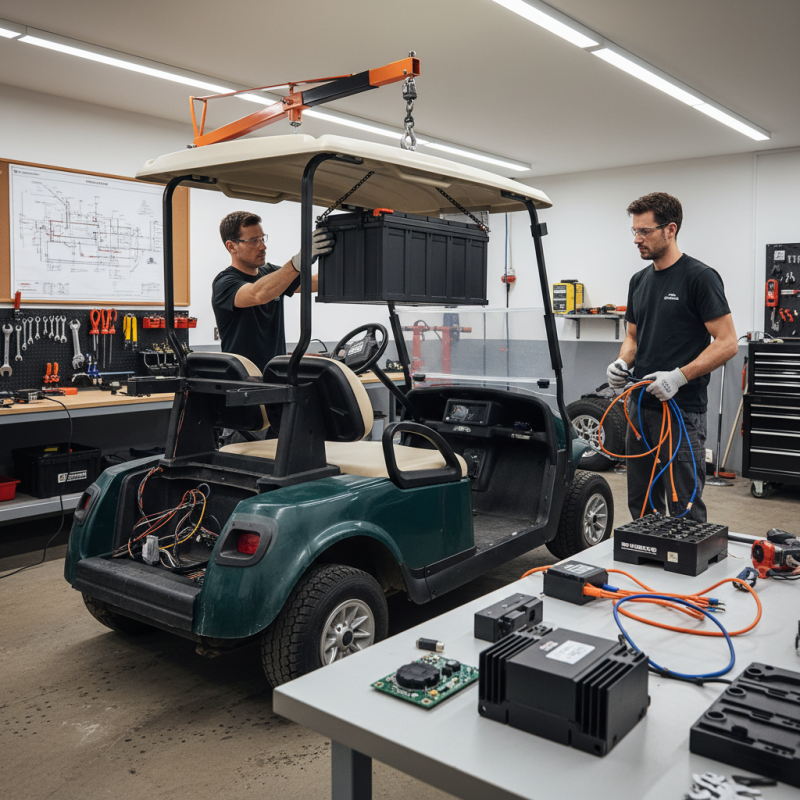
Converting a gas golf cart to electric offers numerous benefits. Electric carts are quieter, which enhances the golfing experience. There's also no harmful exhaust. This means cleaner air for everyone on and off the course.
Electric carts provide better efficiency. They require less maintenance than gas engines. This could save you time and money in the long run. You will notice reduced operational costs, especially with rising gas prices. Charging your electric cart is often more affordable than frequent fuel fills.
However, switching to electric isn’t always straightforward. You may encounter challenges like finding the right batteries or dealing with wiring issues. It's crucial to have a clear understanding of the technical requirements. Consider consulting with an expert. They can offer valuable insights and guidance. Taking the time to plan ahead can help avoid common pitfalls in the conversion process.
When considering converting a gas golf cart to electric, the first step is to assess your current model. Not all gas carts are suitable for conversion. Factors like frame structure, weight distribution, and existing mechanical systems play a crucial role. For example, a study by the Electric Drive Transportation Association found that electric systems can significantly increase efficiency, but the original cart's design must support this modification.
The average weight of a gas golf cart is around 500 to 1,000 pounds. This weight affects how much power is needed for electric conversion. Additionally, the power output from a typical gas engine can reach around 10-15 horsepower, while electric motors vary between 5-20 kW. This discrepancy may necessitate a detailed analysis of your cart's intended use. Your terrain and speed requirements impact whether the conversion is feasible.
Consider the battery capacity as well. Lithium-ion batteries are lighter and offer more range compared to lead-acid options. However, they are also more expensive. The investment needs careful evaluation. There are also environmental benefits to consider. An electric cart reduces emissions, aligning with increasing community regulations. Still, the shift from gas to electric can be challenging and requires time and expertise that may not be readily available. Understanding both the benefits and hurdles can guide a more informed decision.
Converting a gas golf cart to electric can enhance performance, efficiency, and reduce emissions. To embark on this project, proper tools and equipment are essential. A comprehensive toolkit typically includes wrenches, pliers, screwdrivers, and a multimeter. Additionally, having a battery management system and appropriate electric motors is crucial for optimal functioning.
According to the Electric Drive Transportation Association (EDTA), electric golf carts can reduce operational costs by up to 70% compared to gas counterparts. Electrical components generally require less maintenance, which is a significant long-term savings. However, the initial conversion cost can vary. Research indicates that it might range from $1,000 to $3,000 depending on the complexity of the conversion and quality of parts used.
Tips: Focus on quality when choosing your electric components. A well-matched motor and controller can enhance your cart’s responsiveness. Adequate battery capacity is essential for desired range and performance, often underestimated by novice converters. Also, remember to assess the weight distribution after conversion. An imbalanced cart can lead to performance issues and safety concerns. Take time to review your setup regularly; unexpected issues may arise post-conversion.
In your journey, mistakes may happen. Perhaps you overlook battery placement or wiring intricacies. Learning from these setbacks is vital. Keep detailed notes about your process. This documentation will help in troubleshooting and improving your next project.
Converting a gas golf cart to electric can boost performance and reduce emissions. To start, you will need to remove the gas engine. This process involves several steps that require attention to detail. Begin by securing your cart on a flat surface and disconnecting the battery. Removing the gas tank is crucial, as it prevents fuel leaks. According to industry studies, electric carts can improve operational efficiency by up to 30%.
After the engine and tank are out, inspect the frame for compatibility with electric components. Many carts can be retrofitted, but ensure you have the correct measurements. Thorough planning is vital. The average conversion cost ranges from $2,500 to $5,000, depending on parts and labor. It’s advisable to refer to manuals for guidance.
While removing the gas engine, some may struggle with rusted bolts or stubborn connections. Patience is essential. The process requires tools like wrenches and pliers. Ensuring safety is paramount. Check that the cart is grounded. Statistics show that improperly secured carts contribute to accidents. Seek guidance from professionals when in doubt, as their expertise can save you time and resources.
Switching from gas to electric in your golf cart can greatly enhance its performance. The transition involves installing new electric components and batteries. Begin by selecting a suitable electric motor that matches your cart's specifications. Ensure that the motor fits in the designated space.
Next, pay attention to battery selection. Opt for batteries that offer adequate voltage and amp-hour ratings for your needs. You might consider lithium batteries for their lightweight and high efficiency. Install a battery management system to monitor battery health and performance.
While wiring may seem straightforward, it can be tricky. Ensure that all connections are secure and insulated. Double-check polarity to prevent damage. It’s easy to overlook small details in the setup, leading to potential issues down the line. Don’t rush this process; take your time to verify each step. Being precise is crucial for an optimal performance.
| Component | Description | Specifications | Estimated Cost ($) |
|---|---|---|---|
| Electric Motor | The core component that powers the golf cart | 48V, 20-25 HP | 700 |
| Battery Pack | Supplies power to the electric motor | 6 x 8V Batteries | 600 |
| Charging System | Recharges the battery pack | 48V Charger | 150 |
| Controller | Manages power from batteries to motor | 500A Controller | 400 |
| Wiring Kit | Necessary cables and connectors | Safety rated wires | 75 |
| Performance Upgrade Kit | Enhancements for acceleration and speed | Includes gear ratio changes | 250 |
| Labor Costs | Cost of professional installation | Hourly rate | 300 |
: Check the frame structure, weight distribution, and existing mechanical systems. Not all carts are compatible.
The average weight of your gas cart and its original engine's horsepower are critical factors to consider.
Lithium-ion batteries are lighter and have more range compared to lead-acid options but are pricier.
A toolkit should include wrenches, pliers, screwdrivers, and a multimeter, among other essential tools.
Conversion costs usually range from $1,000 to $3,000, depending on complexity and quality of parts.
Don't overlook battery placement or wiring details. Keep detailed notes for troubleshooting later.
Assess weight distribution regularly. An imbalanced cart can lead to performance issues and safety risks.
Be patient with rusted bolts and use the right tools. Safety should always come first during the process.
Ensure you have well-matched motor and controller. Regular reviews of your setup can identify unexpected issues.
Electric carts reduce emissions, aligning with community regulations. This is a positive aspect to appreciate overall.
Converting a gas golf cart to electric can significantly enhance performance, offering benefits such as reduced emissions, lower maintenance costs, and quieter operation. This process begins with understanding your gas golf cart model's compatibility for electric conversion. Evaluating the feasibility is crucial, as it determines the components you'll need and whether the conversion is worth the investment.
To successfully convert a gas golf cart to electric, you'll require specific tools and equipment, including a set of batteries and electric components designed for optimal performance. The conversion process involves carefully removing the gas engine, followed by the installation of the electric motor and battery system. By following a step-by-step guide, you can transform your gas golf cart, enjoying the advantages of a more eco-friendly and efficient vehicle.

Volt Golf