What is the Difference Between 36V and 48V Golf Carts?

Time:2026-08-05 Author:Ethan
0%

When considering golf carts, a common question arises: what is the difference between 36V and 48V golf carts? Understanding this difference is crucial for buyers and enthusiasts alike. Voltage plays a significant role in the performance and efficiency of golf carts.

A 36V golf cart typically has a lower power output compared to its 48V counterpart. This means it might struggle on steeper inclines or with heavier loads. On the other hand, 48V golf carts usually provide more torque and speed, making them ideal for varied terrains. However, the differences are not just in power.

Battery life and charging efficiency are also affected by voltage. Higher voltage systems can often recharge faster and run longer on a single charge. Yet, the initial cost can be higher for 48V systems. Some users may find the increased complexity daunting. Ultimately, understanding these differences helps consumers make informed decisions, ensuring they choose the right model for their golfing needs.
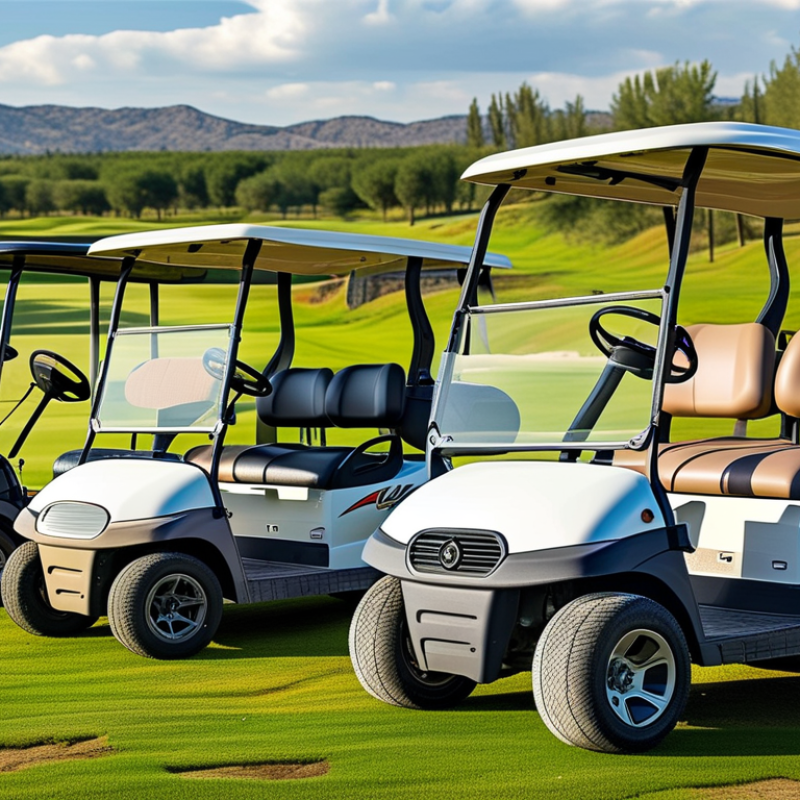
What is the Difference Between 36V and 48V Golf Carts?

Differences in Voltage: An Overview of 36V vs. 48V Golf Carts

When exploring the differences between 36V and 48V golf carts, voltage plays a key role. The voltage affects performance, speed, and efficiency. A 48V system typically offers more power, which can lead to higher speeds and better torque. Golfers might prefer this in hilly areas where climbing is essential.

On the other hand, 36V systems provide sufficient power for flatter terrains. They are often lighter and less expensive. However, they may struggle with steep inclines. Battery longevity is another consideration. A 48V battery might last longer in demanding conditions, but it also requires more careful maintenance.

Choosing between the two requires thoughtful reflection. Think about your specific needs and golf course layout. An overpowered cart may not be necessary for flat courses. Conversely, underestimating power can leave you stranded. It’s vital to assess how often you need that extra boost. Balancing power and efficiency can lead to a more enjoyable golfing experience.

Performance Metrics: Acceleration and Speed Comparisons

When comparing 36V and 48V golf carts, performance metrics like acceleration and speed are key. Research shows that 48V carts typically offer improved torque and higher speeds. For instance, many studies indicate that 48V systems can reach speeds up to 25 mph, while 36V models often peak around 20 mph. This difference can be crucial for golfers seeking quicker transportation on the course.

Acceleration is another vital factor. A 48V golf cart can often accelerate from 0 to 20 mph in just under 10 seconds, compared to the 12-14 seconds for a 36V model. This improvement is attributed to the higher voltage allowing for more powerful motors. However, users need to consider battery weight and efficiency. Higher voltage batteries tend to be heavier, which can affect handling.

In practical applications, some users experience inconsistencies with speed and acceleration. Terrain and load can greatly impact performance. For example, a fully loaded cart might result in slower acceleration for both models. While the data suggests clear advantages for 48V systems, real-world performance may vary. It's essential to analyze specific needs and conditions when choosing between 36V and 48V options.

Battery Life and Efficiency: 36V vs. 48V Systems

When comparing 36V and 48V golf carts, battery life and efficiency are key factors. The 48V systems often outperform 36V ones. They can deliver higher power with less strain on the battery. This allows for longer driving distances without frequent recharging. For users who enjoy extended rounds on the golf course, this added range can be significant.

However, charging a 48V battery system can take longer. Users may need to adjust their routines based on charging time. While 36V systems might recharge quickly, they often don't provide the same energy efficiency. This can mean more frequent trips to the charging station for 36V users, which can be inconvenient. Additionally, the performance in hilly terrains may reveal shortcomings in 36V carts. Riders may find themselves needing to slow down.

Efficiency also impacts the overall lifespan of the batteries. Proper maintenance is vital for both systems. Regularly checking connections and ensuring proper water levels in lead-acid batteries can enhance longevity. Users must remain aware of these factors to maximize their investment. Balancing immediate needs with long-term care requires thoughtful planning.

What is the Difference Between 36V and 48V Golf Carts? - Battery Life and Efficiency: 36V vs. 48V Systems

Feature 36V Golf Carts 48V Golf Carts
Typical Battery Capacity (Ah) 200 Ah 100 Ah
Top Speed (mph) 15 mph 20 mph
Range per Charge (miles) 25 miles 40 miles
Charging Time (hours) 8-10 hours 6-8 hours
Weight of Battery System 600 lbs 400 lbs
Cost Estimate $3,000 $4,500

Terrain Adaptability: Suitability for Different Course Conditions

When comparing 36V and 48V golf carts, terrain adaptability is a key factor. The voltage level directly influences a cart's ability to navigate different course conditions. A 48V system typically provides more torque. This means it can handle steeper inclines and rough terrains better than its 36V counterpart. A study by the Electric Drive Transportation Association shows that 48V systems generate approximately 30% more power, translating into better performance on challenging courses.

However, 36V carts have their own advantages. They tend to be lighter and more efficient in less demanding environments. For flat courses with well-maintained paths, a 36V system might suffice. Many users find these carts easier to maneuver in tight spots, such as around trees or bunkers. According to a report from the Golf Cart Manufacturers Association, about 30% of golfers prefer 36V carts for leisure use, suggesting they are favored for their simplicity and ease of use.

Maintaining balance between power and efficiency is crucial. Golfers must reflect on their specific needs and the conditions of their preferred courses. While 48V carts excel in performance, they often come with higher costs and maintenance requirements. Conversely, 36V options may lack the power for extreme terrains, yet can be a reliable choice for experienced users on flatter courses. Opting for the right voltage could significantly impact your overall golf experience.

Cost Analysis: Pricing Trends for 36V and 48V Golf Cart Models

When comparing 36V and 48V golf carts, it's important to look at cost trends. In general, 48V models tend to be more expensive. The higher voltage offers more power and better performance. However, this comes at a price.

Recent data shows that 36V carts often have a lower initial cost. They are great for flat terrains and shorter distances. For budget-conscious buyers, this is appealing. You typically find them priced lower than their 48V counterparts.

Yet, maintenance and replacement costs should be considered. 48V systems usually have longer lifespans. They might cost more upfront but could save money in the long run. Buyers need to weigh initial investments against potential savings on upkeep. The choice between 36V and 48V should reflect personal needs, terrain, and budget constraints.

FAQS

: What is the speed difference between 36V and 48V golf carts?

: 48V carts can reach speeds up to 25 mph, while 36V models peak around 20 mph.

How does acceleration compare between the two systems?

A 48V cart can go from 0 to 20 mph in under 10 seconds; 36V models take 12-14 seconds.

Do battery weight and efficiency affect performance?

Yes, higher voltage batteries are heavier, which can impact handling and overall performance.

How does battery life differ between the two systems?

48V systems typically offer longer driving distances due to higher efficiency and less strain on batteries.

Are there any downsides to using a 48V system?

Charging a 48V battery can take longer compared to 36V, which may require users to adjust routines.

For hilly terrains, which system is better?

48V carts handle steep inclines better, providing more torque for challenging courses.

Can 36V carts be effective on flat courses?

Yes, they are lighter and more efficient on flat terrain, making them easier to maneuver.

Do users face any inconsistencies in performance?

Yes, terrain and load can significantly affect speed and acceleration for both models.

What should users consider for long-term battery care?

Proper maintenance involves checking connections and water levels to enhance battery lifespan.

Is it important to reflect on specific needs when choosing a cart?

Absolutely, considering course conditions and personal preferences can significantly impact the golf experience.

Conclusion

When considering "what is the difference between 36V and 48V golf carts," several key factors come into play. The primary distinction lies in their voltage levels, which directly impacts performance metrics such as acceleration and speed. Generally, 48V golf carts offer better performance capabilities, allowing for faster speeds and quicker acceleration compared to their 36V counterparts.

Battery life and efficiency are also crucial aspects to examine. Typically, 48V systems provide improved efficiency, resulting in longer battery life and reduced energy consumption. Moreover, 48V carts tend to adapt better to varied terrains, making them more suitable for challenging course conditions. Finally, cost analysis reveals that while 36V carts might be less expensive upfront, the long-term benefits of 48V models could justify the higher initial investment.

Ethan

Ethan

Ethan is a seasoned marketing professional with a deep expertise in our company's innovative product line. With a passion for sharing knowledge and insights, he takes the lead in regularly updating our corporate blog, where he explores industry trends, product features, and effective marketing......