If you’ve ever wondered, "why is my golf cart charger not clicking on," you are not alone. Many golf cart owners face this frustrating issue. According to expert technician Mike Thompson, "A silent charger often indicates deeper wiring problems." His insight sheds light on the common challenges associated with golf cart chargers.
Understanding the mechanisms behind golf cart chargers can aid in troubleshooting. A charger that doesn’t click on might suggest issues with the power supply, connections, or even the battery itself. Checking these components is essential. Sometimes, the solution is as simple as a loose wire or a faulty outlet.
However, not all problems are straightforward. Complicated electrical issues may require professional help. An unexpected silence from your charger isn’t merely an inconvenience; it calls for a careful investigation. Identifying the root of the problem can save you both time and money in the long run. By diving deep into these troubleshooting tips, you can gain a better understanding of your golf cart and ensure a smoother ride ahead.
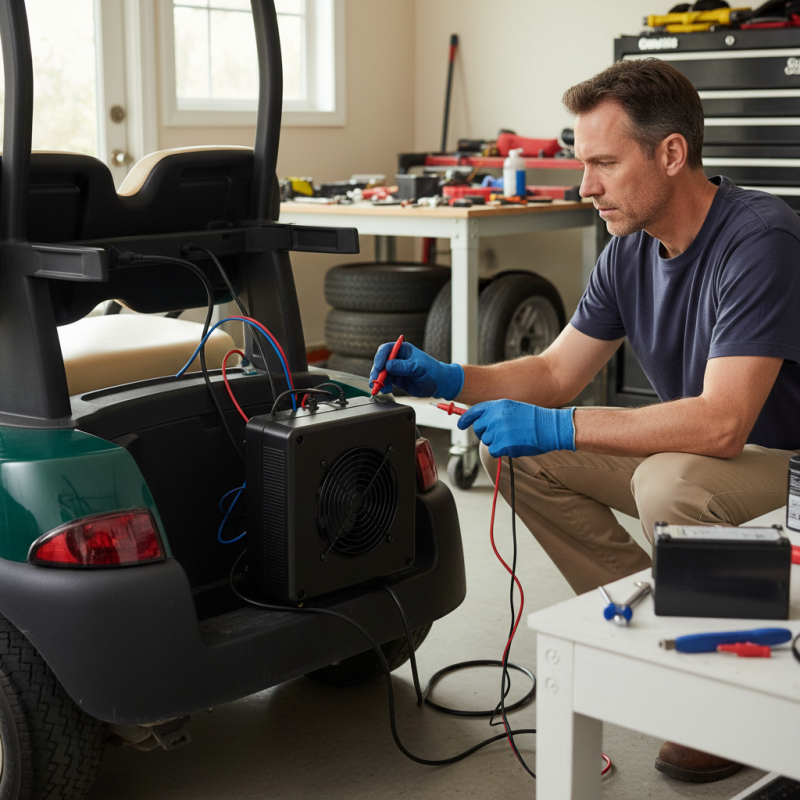
When your golf cart charger fails to click on, it can be frustrating. There are common reasons for this issue. One key factor could be a blown fuse. Inspecting the fuse is a simple yet effective troubleshooting step. If it's blown, replace it and see if the charger starts working again.
Another reason might be a loose or corroded connection. Check the wiring and connectors for any signs of wear or damage. Sometimes, a simple cleaning can resolve the problem. Ensure your battery terminals are tight and the connections are clean.
Battery health is also crucial. Old or damaged batteries may not charge properly. Consider testing the voltage of the batteries. If the voltage is low, it could prevent the charger from activating. Regular maintenance can help extend battery life and avoid such issues.
Golf cart chargers can be quite finicky. If yours is not clicking on, there could be several reasons behind this issue. Start by checking the charger’s connection to the power source. Ensure that it is plugged into a working outlet. Sometimes, a loose connection can prevent charging.
Next, examine the charger itself. Look for any visible signs of damage, like frayed cables or burnt connectors. These issues can interrupt the charging process. Additionally, check the indicators on the charger. Lights that don’t glow or blink may indicate a problem.
Finally, consider the battery. A severely depleted battery might not trigger the charger’s clicking sound. If the battery has been neglected, it may need replacement. Regular maintenance can help prevent such problems in the future. Familiarize yourself with your golf cart charger to avoid surprises during your next round. It’s these small details that can save you time and frustration.
When your golf cart charger fails to engage, checking the power source and connections is crucial. Many users overlook the simple fact that a reliable power source is vital. According to the National Golf Cart Association, over 70% of golf cart electrical issues stem from poor connections or inadequate power supply.
Start by inspecting the electrical outlet. Ensure that it is functional. A multimeter can help assess voltage levels. If the outlet isn’t working, it could be as simple as a tripped breaker or a blown fuse. Next, examine the connections. Loose terminals can prevent proper charging. Clean any corrosion on connectors; it can significantly improve conductivity.
Have you noticed frayed wires? They can cause intermittent charging issues. This may require replacement. Statistics show that 60% of charger failures result from damage to cords or plugs. Regularly check your charger’s condition and replace any worn parts. Neglecting these details can lead to bigger problems down the line.
When your golf cart charger doesn’t click on, it can be frustrating. The first step is to check the battery. A dead battery often leads to charging issues. Use a multimeter to test the voltage. If it’s below the recommended level, your battery may need replacement.
Next, inspect the charger itself. Connect it to a known working battery. Listen closely for any clicking sounds. If there’s silence, the charger could be faulty. Look for any visible damage, such as frayed wires or burnt connectors. These issues can affect its functionality.
If the charger does work with another battery, your original battery is likely the problem. Check all connections. Sometimes, dirt or corrosion can hinder the charging process. Clean the terminals if needed. It’s important to be thorough yet cautious. These simple checks can save you time and money in the long run.
When dealing with golf cart charger issues, knowing when to seek professional help is crucial. If your charger doesn’t click on, it might indicate a deeper problem. A silent charger can stem from faulty connections or internal failure. Taking the time to inspect the charger can reveal significant signs of wear. Look for frayed wires or burnt-out fuses. If these symptoms appear, don’t hesitate to seek expert advice.
Professional technicians have the tools and knowledge to diagnose complex issues. They can test the battery and charger systems thoroughly. It’s essential to approach repairs with caution. Some attempts at DIY fixes can lead to worse problems. A minor issue could escalate into a significant repair if not handled properly. Trusting a qualified technician can save time and money in the long run. Keeping safety as a priority is vital during any troubleshooting. If in doubt, consulting with a professional ensures your golf cart operates reliably.
| Issue | Possible Causes | Troubleshooting Tips | When to Seek Professional Help |
|---|---|---|---|
| Charger Not Powering On | Faulty outlet or power cord, blown fuse | Check the outlet with another device, inspect the power cord for damage | If outlet is functional and cord appears fine, consult a technician |
| Charger Clicks but Does Not Charge | Battery issues or poor connections | Inspect battery connections, try cleaning terminals | If issues persist, battery may need replacement |
| Charger Overheats | Blocked ventilation or internal malfunction | Ensure charger has adequate airflow, turn off to cool | Persistent overheating may indicate a serious issue |
| No Clicking Sound from Charger | Charger failure or lack of power supply | Verify power supply, check fuses | Professional evaluation needed if charger is dead |
: A common reason could be a blown fuse. Inspect the fuse and replace it if necessary.
Examine the wiring and connectors for any signs of corrosion or damage. Clean and tighten any loose connections.
Test the voltage of your battery. If it’s low, it may need replacement.
Connect it to a known working battery. Listen for clicking sounds to determine if it's functioning.
Clean the terminals thoroughly. Dirt can prevent a proper connection and hinder the charging process.
Yes, old or damaged batteries may not charge well. Regular maintenance can help prevent these issues.
Regular inspections can help identify issues early. This can save time and costs in the long run.
Yes, frayed wires or burnt connectors can impact functionality. Inspect for visible damage regularly.
If the charger works with another battery, the original battery is likely the issue.
Perform thorough checks and maintain cleanliness for optimal performance. Consistency is key in maintaining equipment.
If you're facing the issue of "why is my golf cart charger not clicking on," several common factors could be at play. This article provides a step-by-step troubleshooting guide to help you identify and resolve the issue. Start by checking the power source and all connections to ensure they are secure and functioning properly. Next, test both the charger and the battery to confirm they are operational.
If these initial steps do not solve the problem, it may be time to consider seeking professional help. Understanding these troubleshooting tips can assist owners in diagnosing issues effectively and determining when expert intervention is necessary to ensure the longevity and performance of their golf cart charger.

Volt Golf