What Insurance Do I Need for a Golf Cart in 2026?

Time:2026-11-02 Author:Mason
0%

A golf cart may look simple beside a garage, but its insurance needs can change with one trip beyond the driveway. Are you driving it on private property, around a gated community, or on public roads where local rules may apply? The answer affects which risks deserve attention. When asking “what insurance do i need for a golf cart,” start with liability coverage, then consider collision, comprehensive, medical payments, and protection against uninsured drivers. Not every option fits every cart. A slow neighborhood run and a weekend ride on a busy road are not the same exposure.

Loretta Worters, a spokesperson for the Insurance Information Institute, offers a useful principle that can be paraphrased as: “Match your coverage to the risks you actually face.” That is guidance, not a promise that one policy works everywhere. A homeowners policy may cover some carts on your property, yet exclude road use or certain vehicle types. A separate golf-cart policy may fill gaps, but its terms matter. Check the cart’s speed, modifications, storage location, and who may drive it. Small details count.

Keep the paperwork nearby. Ask your insurer for written confirmation of where the cart is covered and whether passengers, accessories, or theft are included. Then compare deductibles with the cart’s value; a large deductible can make a small claim feel pointless. Requirements vary by location and vehicle classification, so verify them with your insurer and local authorities. There is no perfect checklist. Even careful owners can miss an exclusion. The goal is a policy that reflects real use, not just the cart’s cheerful appearance.
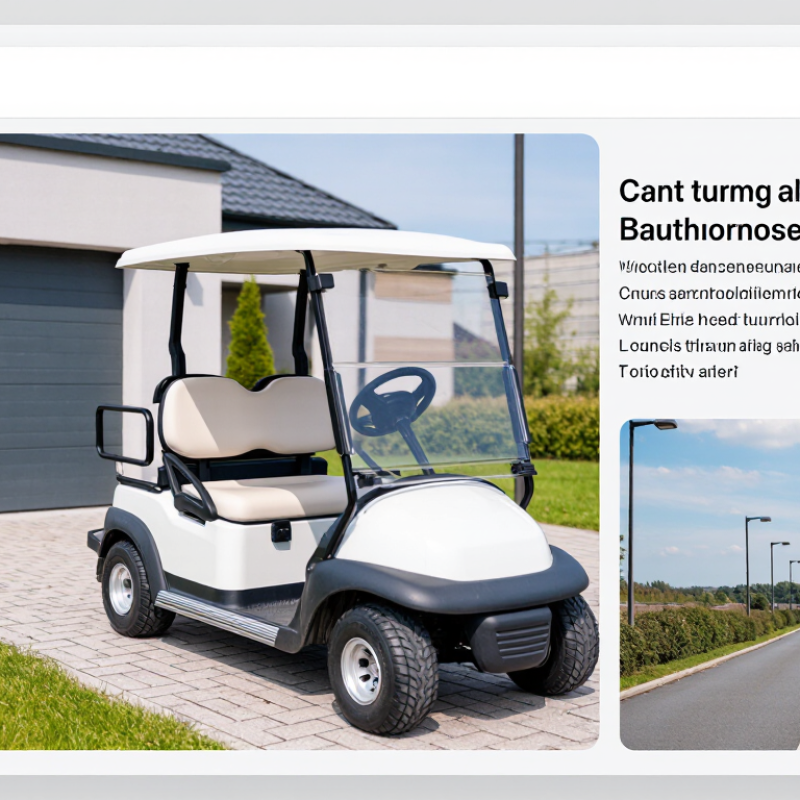
What Insurance Do I Need for a Golf Cart in 2026?

How Golf Carts Are Classified for Insurance Purposes

A golf cart’s insurance category depends on how it is built and used, not just its name. Some insurers classify a basic cart used on private property as recreational equipment. A model with higher speeds, added safety features, or regular road use may be treated as a low-speed vehicle. That distinction matters. The insurer may ask about its top speed, seat belts, headlights, turn signals, registration, and where it is driven. A cart used only between a garage and a golf course can present a different risk from one used on public streets.

Classification affects which coverage options may fit. A homeowners policy might offer limited protection for a cart kept at home, but coverage can vary and may exclude certain uses. A separate policy may be considered for liability, collision damage, or theft.

Details matter. Before choosing, describe the cart accurately, including modifications and passenger capacity. I would not assume that adding lights or a windshield changes its insurance status by itself; the insurer’s rules and local requirements also count.

Ask for the classification and coverage limits in writing, especially if the cart crosses public roads or carries passengers. A small misunderstanding can leave a real gap.

Which Golf Cart Insurance Requirements Apply in 2026

In 2026, golf cart insurance requirements still depend on where you live and how you use the cart. A cart driven only on private property may face different rules from one permitted on public roads. Local authorities may require registration, approved safety equipment, and liability coverage for road use. There is no single rule that applies everywhere. Check your state or local transport authority before taking a cart onto streets, even for a short trip.

Liability coverage can help pay for injuries or property damage you cause, but it may not cover damage to your own cart. Collision coverage may help after a crash, while comprehensive coverage can apply to events such as theft or storm damage. A homeowners policy may exclude motorized carts or trips away from your property, so do not assume you are covered.

Read the policy wording. Ask an insurer to confirm coverage for your cart’s speed, passenger capacity, modifications, and regular routes. Keep that confirmation in writing. A small detail matters: a cart used on a golf course may be treated differently from one driven through a neighborhood. Check before renewal, since rules and policy terms can change.

What Types of Coverage Can Protect a Golf Cart

A golf cart may need more than one kind of protection, depending on where and how it is driven. Liability coverage can help with costs if the driver injures someone or damages property. A slow cart can still hit a parked car or a pedestrian. Small detail. Check whether a homeowners policy covers the cart only on your property; off-site use may be treated differently.

Collision coverage may help pay to repair or replace the cart after a crash, while comprehensive coverage can apply to events such as theft, fire, or falling branches. These protections usually have deductibles and limits, so compare those with the cart’s value. That matters. A custom roof, upgraded seats, or attached storage may need to be listed separately rather than assumed covered.

Medical payments coverage may help with certain injury-related expenses for occupants, regardless of fault. Uninsured or underinsured motorist coverage may also be worth asking about, where available. Coverage options can change if the cart is used on public roads, at a campground, or only around a private community. Not always. Before choosing, describe the cart’s actual use and modifications to an insurance professional, then confirm exclusions and local requirements in writing.

How to Choose Coverage Based on Use, Risks, and Value

The right golf cart coverage depends on where it goes, who rides in it, and what it would cost to replace. A cart used only on a private course faces different risks from one driven through a neighborhood or on permitted public roads. Tell an insurer about your actual routes, passenger use, and storage habits. A policy designed for occasional course use may not cover every other situation. Check the exclusions carefully.

Liability coverage can help with covered injuries or property damage you cause. Collision coverage may pay for damage to your cart after a crash, while comprehensive coverage may address covered theft, fire, or weather damage. Terms and availability vary. Ask how the policy values the cart after a total loss, and whether its battery, roof, windshield, or added storage are included. Those details matter.

Consider the cart’s age, condition, and replacement cost alongside your budget and savings. A rarely used cart kept in a locked garage may call for different protection than a newer cart parked outside and driven daily. It is easy to insure too much, or too little. Compare deductibles with realistic repair costs, and confirm whether coverage follows the cart when it is transported or used away from home. Check local requirements, too; they can depend on where and how you drive.

What Insurance Do I Need for a Golf Cart in 2026? — How to Choose Coverage Based on Use, Risks, and Value

How You Use the Cart Main Risks to Consider Coverage to Ask About How to Choose Limits or Options Important Check
On a golf course or private property Injury to another person, damage to property, theft, or accidental damage to the cart Personal liability; comprehensive and collision coverage if available Consider the cart’s replacement or repair cost and the value of property you could damage. Choose a deductible you could comfortably pay. Do not assume a homeowners policy covers every cart, driver, location, or activity. Ask the insurer to confirm coverage in writing.
In a gated community or planned neighborhood Collisions with people, vehicles, gates, or community property; use by household members or guests Liability; physical-damage coverage; medical payments coverage if offered Review who may drive the cart, where it may be used, and whether passengers are covered. Compare liability limits with your assets and exposure. Community rules and insurance requirements can differ. Confirm permitted routes and any required proof of insurance with the community association.
On public roads where local law permits Traffic collisions, injuries to others, and legal or registration requirements Road-use liability; collision and comprehensive; uninsured or underinsured motorist coverage where available Request coverage specifically for the cart’s road use. Check that the policy’s limits meet applicable local requirements and your financial needs. Road access, vehicle classification, equipment, licensing, registration, and insurance rules vary by jurisdiction. A standard golf cart may not qualify for public-road use.
Used for business, rental, or paid transport Frequent use, customer or passenger injuries, employee driving, and business-related property damage Commercial liability and any appropriate physical-damage or hired/non-owned vehicle coverage Describe the business activity, number of carts, drivers, passengers, and operating area when requesting a quote. A personal policy may exclude business or rental use. Get confirmation that the intended activity is covered before operating.
Customized, upgraded, or high-value cart Higher repair or replacement costs; theft or damage to added equipment Comprehensive and collision; coverage for custom parts or accessories if available Keep receipts, photographs, and a current equipment list. Ask how modifications affect the insured value and claim settlement. Standard coverage may have limits or exclusions for aftermarket equipment. Verify how batteries, lifts, enclosures, and other additions are treated.
Stored seasonally or transported on a trailer Theft, fire, weather damage, loading accidents, and damage while being transported Comprehensive coverage; ask whether coverage applies during transport and storage Compare the premium and deductible with the cart’s current value and the cost of repairs or replacement. Coverage can depend on where the cart is stored, who owns the trailer, and how the cart is being transported. Confirm these details with the insurer.

Choosing a policy: Start with how and where the cart will be used, who will drive it, and what it would cost to replace. Coverage names, availability, exclusions, and legal requirements vary by insurer and location; request a written quote that describes your actual use.

How to Compare Policies and Keep Coverage Up to Date

Golf cart insurance can look similar across quotes, yet small differences matter. Compare liability limits, deductibles, and coverage for collision, theft, fire, and weather damage. Check whether protection applies only on a golf course or also on private roads and public streets. Rules and insurance requirements vary by location, and some carts may be classified differently depending on their equipment and use. Ask the insurer to confirm coverage in writing.

Tips: Put two policy summaries side by side. Check how each values a damaged cart, whether batteries and accessories are covered, and who may drive it. A low premium can come with a high deductible or a narrow use restriction. Read the exclusions; they are easy to miss.

Keep your policy current as your cart changes. Tell your insurer if you add a roof, lift kit, upgraded batteries, or other costly equipment. Review the policy before renewal, especially after moving, changing where you store the cart, or using it in a new way. Take dated photos and keep receipts for major upgrades. It takes a few minutes. I once assumed a listed accessory was automatically covered; that was a poor assumption. Confirm the details rather than relying on memory.

FAQS

What determines how a golf cart is classified for insurance?

Its design and use both matter. Insurers may ask about speed, seat belts, lights, registration, and where it is driven. The name alone may not tell the whole story.

Does adding headlights make a golf cart a low-speed vehicle?

Not necessarily. Added lights or a windshield may not change its classification by themselves. Ask the insurer how it classifies your specific cart.

Can a homeowners policy cover a golf cart?

It may provide limited protection while the cart is at home. Off-property use could be treated differently or excluded. Check the policy wording.

What coverage can help if the cart damages someone’s property?

Liability coverage may help with covered property damage or injuries. Even a slow cart can bump a parked car. Small impact, real repair bill.

What do collision and comprehensive coverage protect against?

Collision coverage may help repair the cart after a crash. Comprehensive coverage may apply to covered theft, fire, or falling branches. Deductibles and limits apply.

Are custom parts automatically covered?

Not always. Mention items like an upgraded roof, battery, seats, windshield, or storage box. Ask whether each item is included in the policy.

What should I consider when choosing coverage?

Think about the cart’s age, condition, replacement cost, storage, and usual routes. Compare deductibles with realistic repair costs. I’d double-check; assumptions are easy here.

Does coverage follow a golf cart when it is away from home?

It depends on the policy and how the cart is being used or transported. Ask about course trips, community roads, and permitted public-road use. Get the answer in writing.

Conclusion

In 2026, the insurance a golf cart needs depends on how it is classified and where and how it is used. A cart driven only on private property may have different insurance considerations from one used on public roads or shared community paths. Local rules and existing home or auto policies can affect what coverage is required, so check the requirements that apply to your location before choosing a policy. If you are asking, “what insurance do i need for a golf cart,” start by confirming the cart’s permitted use and whether any current policy already offers protection.

Available coverage may help with damage to the cart, injuries or property damage involving others, theft, or other unexpected losses, depending on the policy. Consider the cart’s value, storage, frequency of use, passengers, and exposure to traffic or weather when deciding which protections and limits fit. Compare policy terms, exclusions, deductibles, and prices, and review your coverage whenever the cart’s use, value, or local requirements change.

Mason

Mason

Mason is a seasoned marketing professional with a deep expertise in the company's offerings and a passion for driving brand awareness. With a strong background in digital marketing strategies, he has an innate ability to connect with diverse audiences and effectively communicate product benefits.......