If you've ever found yourself pondering, "why does my golf cart smell like rotten eggs," you're not alone. This unpleasant odor often indicates underlying issues that require attention. A common cause is a failing battery. Sulfation can occur, leading to the release of sulfur gas. This could also mean your batteries are overcharging or are improperly maintained.
It's essential to address this smell promptly. Aside from an unpleasant ride, overlooking the issue could lead to more severe damage. Regular maintenance checks can help prevent such situations. Inspect your batteries regularly for any signs of wear or damage. Remember to keep the terminals clean and ensure proper fluid levels.
Ignoring a rotten egg smell can lead to dangerous situations. It’s not merely an annoyance, but a warning sign. Taking action and seeking professional advice might be necessary. Understanding the root of the problem is key to ensuring a safe and enjoyable golfing experience.
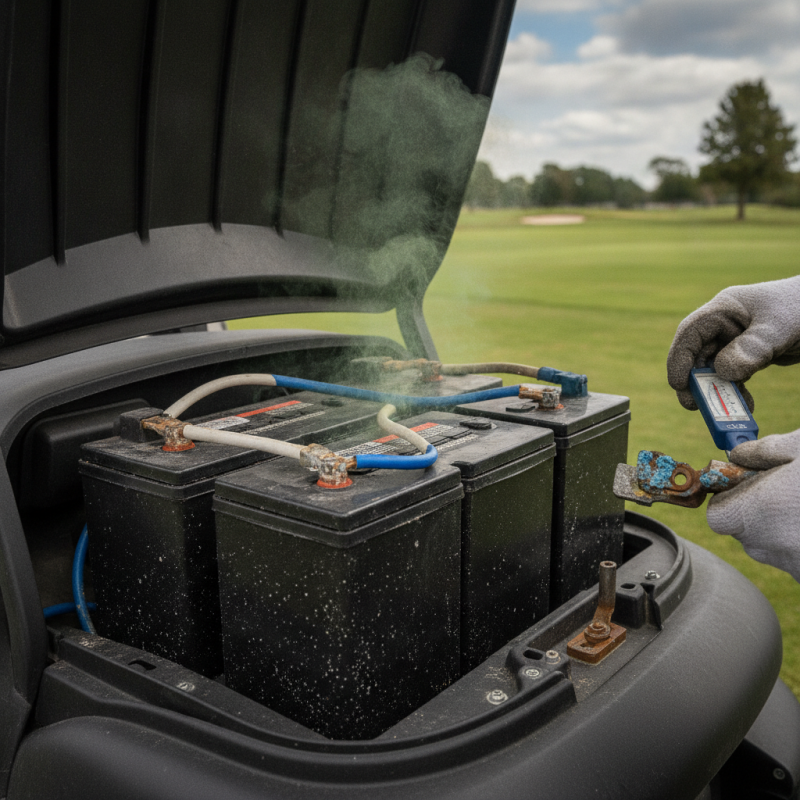
Understanding the Causes of Rotten Egg Smell in Golf Carts
A rotten egg smell in your golf cart is often linked to hydrogen sulfide gas. This gas usually indicates battery issues, specifically during charging. When batteries overcharge or leak, they can release this gas. Not only is the smell unpleasant, but it can also signal potential danger.
Checking the battery terminals regularly is essential. Ensure there are no loose connections or corrosion. This might eliminate the smell. When cleaning, use protective gear. If your batteries are old, it might be wise to replace them.
Another reason for the smell could be the fluids. Inspect your golf cart for any leaks under the chassis. Sometimes, other parts, like the motor or fuel system, can create odors as well. Addressing these leaks promptly can save you from bigger issues down the road.
Lastly, environmental factors can also play a role. If your golf cart is parked near sulfur-rich areas or stagnant water, be aware. Keeping your cart clean and well-maintained can help. Regular check-ups will ensure your cart runs smoothly and safely.
The Role of Sulfur Compounds in Golf Cart Emissions
Golf carts are a popular choice for transportation in golf courses and communities. However, a strange odor resembling rotten eggs can be concerning. This smell is often linked to sulfur compounds emitted from the cart's battery or fuel system. According to a report from the National Renewable Energy Laboratory, sulfur compounds can significantly affect air quality and contribute to unpleasant odors.
These sulfur compounds can originate from lead-acid batteries or gasoline engines. When batteries discharge, hydrogen sulfide gas may be released. In gasoline engines, incomplete combustion can produce sulfur dioxide and other harmful gases. Recognizing these sources can help you diagnose the problem early. Monitoring your cart regularly is essential to avoid issues.
**Tips:** Regular maintenance can prevent sulfur buildup. Check your battery connections and ensure proper ventilation. Be sure to replace any worn-out components promptly.
If you detect this smell, it’s crucial to inspect your golf cart. Neglecting these emissions can not only lead to performance issues but also impact the health of passengers. Keep an eye out for performance changes or other warning signs. Open any windows to increase airflow if the odor persists.
Identifying Battery Issues That Contribute to Unpleasant Odors
A rotten egg smell coming from your golf cart often indicates battery problems. This odor usually arises from hydrogen sulfide gas. Such gas is a byproduct of battery acid issues, like overcharging or leaking. When lead-acid batteries are improperly maintained, they can produce this unpleasant scent.
Check your battery regularly. Look for signs of leakage or corrosion. If the terminals show white or green buildup, that's a sign of corrosion. Ensure your batteries are not overfilled with acid. Maintaining the correct fluid levels can prevent these issues. Sometimes, batteries age and fail, leading to strange smells. Replacement may be necessary if problems persist.
Proper ventilation is vital too. If your golf cart is stored in an enclosed space, odors can linger. Ensure that it has sufficient airflow. This helps reduce any built-up gas. Using a battery maintenance system can also help monitor their health. Regular checks prevent potential problems and keep you safe. Ignoring these signs can lead to bigger issues down the line.
Battery Sulfation Levels and Odor Severity
This chart illustrates the correlation between battery sulfation levels and the severity of unpleasant odors in golf carts. As sulfation increases, the odor severity also escalates, indicating potential battery issues that require immediate attention.
Step-by-Step Solutions to Eliminate the Rotten Egg Smell
A rotten egg smell in your golf cart can indicate a serious issue. This odor often arises from a problem with the batteries, specifically sulphur gas released during chemical reactions. When the batteries are overcharging or leaking, the smell may become more pronounced. Take immediate action to address the issue, as neglect may lead to battery failure or even damage to the cart.
Begin by checking the battery fluid levels. Low levels can cause overheating and sulfur build-up. Ensure that the terminals are clean and tight. Corroded terminals can lead to poor connectivity and overheating. If fluid levels are adequate and terminals look good, consider testing the batteries. A multimeter can help assess their voltage. If the voltage is low, replacement may be necessary.
If the smell persists, inspect the wiring and circuits. Look for burnt sections, as these can also emit an unpleasant odor. It’s important to address any wiring issues swiftly. You may need professional help to resolve complex problems. Regular maintenance and inspections will aid in preventing such scenarios.
Preventive Measures to Avoid Future Smell Issues in Golf Carts
When a golf cart emits a smell reminiscent of rotten eggs, it often indicates a problem with the battery or the electrical system. To prevent this unpleasant odor from recurring, regular maintenance is essential. Check the battery connections for corrosion. Clean them with a mixture of baking soda and water, as this can significantly improve performance and reduce odors.
Additionally, ensure the battery is properly filled with distilled water. The level should be above the plates but below the fill line. An overfilled battery can result in acid spills and bad smells. Examine the wiring and connections for signs of wear or damage. Such issues can lead to overheating and odor problems.
Keep your golf cart in a dry, well-ventilated area. This helps prevent humidity-related issues that could contribute to smells. Regularly inspect for leaks or signs of battery damage. Performing these checks routinely will provide peace of mind. Reflection on these practices can help create a safer and more enjoyable experience on the golf course.
Why Does My Golf Cart Smell Like Rotten Eggs Solutions? - Preventive Measures to Avoid Future Smell Issues in Golf Carts
| Issue |
Possible Causes |
Solutions |
Preventive Measures |
| Rotten Egg Smell |
Sulfide gases, battery issues |
Check batteries, replace if necessary |
Regular battery maintenance |
| Chemical Odors |
Overcharging, leaks |
Inspect charging system, repair leaks |
Proper charging practices |
| Burning Smell |
Overheating components |
Allow cooling, check for blockages |
Regular checks for overheating |
| Foul Smells |
Dirty carburetor, fuel issues |
Clean carburetor, check fuel quality |
Routine fuel and engine checks |
Conclusion
If you find yourself wondering "why does my golf cart smell like rotten eggs," it is essential to understand the underlying causes of this unpleasant odor. The smell is often linked to sulfur compounds released during the operation of the cart, particularly from the batteries. Identifying battery issues, such as overcharging or leaks, can be crucial in addressing the source of the odor.
To eliminate the smell, a step-by-step approach is recommended, including checking battery connections, cleaning terminals, and ensuring proper ventilation. Additionally, implementing preventive measures, such as regular maintenance and monitoring battery health, can help avoid future odor problems. By addressing these factors, you can keep your golf cart in optimal condition and enjoy a more pleasant riding experience.
 Volt Golf
