Golf carts are popular for recreational use, especially on hilly terrains. Many users face challenges when climbing steep hills. Understanding how to increase golf cart torque for climbing is crucial for enhancing performance. Torque determines your cart's ability to tackle inclines effectively.
To climb hills, a golf cart needs sufficient torque. Factors such as motor power and battery capacity play significant roles. Upgrading components can significantly boost torque. Additions like high-torque motors or better batteries are options worth considering. However, proper installation and maintenance are essential for optimal results.
Despite these upgrades, user experience varies. Some might feel improvement, while others may notice little change. It’s vital to assess your specific needs and environments. Carefully consider the investment and research reviews for reliable upgrades. Making informed choices can lead to enhanced climbing abilities in your golf cart.
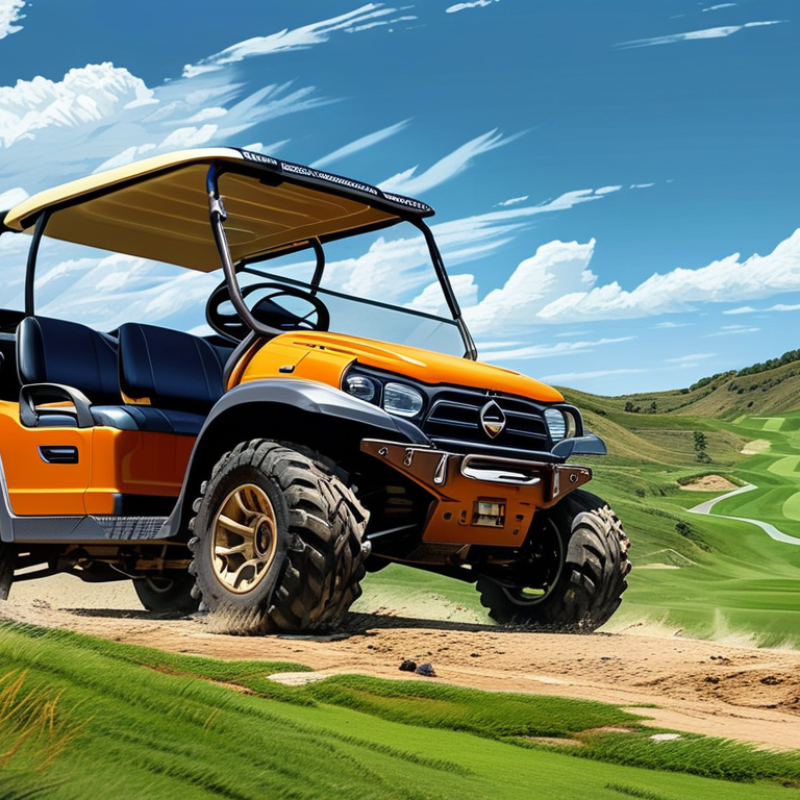
Golf carts often struggle with hill climbing due to limited torque. Increasing torque can make a difference in performance, especially in hilly terrains. A key way to enhance torque is by upgrading the motor. According to industry reports, a high-torque motor improves speed and acceleration. Look for motors designed specifically for golf carts to gain noticeable results.
Another approach is adjusting the gearing system. Lower gearing ratios create more torque, allowing for better hill-climbing capability. This is often overlooked, yet it's crucial. Studies indicate that the right gear can improve efficiency by 25%. However, this change can affect top speed, which might require additional adjustments.
Battery selection also plays a role. A high-capacity battery ensures consistent power output during climbs. Regular maintenance of batteries is vital for longevity. A worn or weak battery will lead to performance declines. Each component must work in harmony to create an efficient hill-climbing machine. Reflecting on your setup can reveal areas for improvement. Adjustments may require some trial and error.
Torque is crucial for the performance of a golf cart, especially when climbing hills. Understanding how torque works can significantly enhance your driving experience. As you navigate inclines, the torque produced by the motor plays a vital role in determining how well the cart can ascend. Higher torque translates to more effective hill climbing, enabling your golf cart to tackle slopes with ease.
To increase torque, consider upgrading your motor or adjusting the gear ratio. An efficient motor can provide the necessary power boost. Altering the gear ratio allows the cart to maximize its torque at lower speeds, perfect for uneven terrain. Additionally, maintaining a lighter load on the cart may improve its climbing ability.
Here are some practical tips:
While these adjustments can make a noticeable difference, not all modifications may work for every setup. Be prepared to experiment and observe how your cart responds to various changes. This iterative process can lead to better understanding and improvement over time.
When selecting a golf cart motor, understanding RPM and torque ratings is crucial. Torque determines how much weight your cart can handle, especially while climbing hills. A motor with high torque will allow for more effective climbing, facilitating trips up steep inclines and making outings smoother.
According to industry studies, golf carts designed for hilly terrains often require motors with a torque rating of at least 30 Nm. This ensures they can manage inclines without straining the system. RPM, or revolutions per minute, also plays a role. Motors with lower RPM but higher torque ratings can provide better climbing ability. However, higher RPM motors are typically faster on flat ground but may lack the necessary power for steep grades.
When evaluating options, consider the cart's intended use and weight load. Too much reliance on high speeds could compromise torque performance. Owners often overlook these subtleties, leading to unsatisfactory climbing ability. Choosing wisely means balancing these factors. Proper research into performance data can lead to informed decisions for better hill climbing with golf carts.
| Motor Type | RPM Rating | Torque Rating (Nm) | Voltage (V) | Recommended Use |
|---|---|---|---|---|
| DC Motor | 3000 RPM | 20 Nm | 48 V | Standard Hills |
| AC Motor | 2500 RPM | 30 Nm | 72 V | Steeper Hills |
| Brushless Motor | 3500 RPM | 25 Nm | 60 V | Dynamic Climbing |
| Gear Motor | 2000 RPM | 35 Nm | 48 V | Heavy Loads |
Upgrading the battery power of your golf cart significantly enhances its torque and climbing ability. A high-performance battery can deliver more consistent power. This boosts the torque, enabling the cart to tackle steeper hills with ease. Simply replacing an old battery with a newer, more efficient option can make a noticeable difference in performance.
When considering battery upgrades, pay attention to the voltage and amp-hour ratings. Higher voltage directly translates to increased torque. A battery with higher amp-hours provides sustained power. However, not all upgrades are seamless. Compatibility issues can arise, and improper installation may lead to safety risks. It’s essential to conduct thorough research before making changes.
Even with the right upgrades, there may still be limitations. Factors like weight distribution and tire pressure can also affect climbing efficiency. Ensuring your golf cart is well-maintained alongside battery upgrades is crucial. Some users report mixed results, indicating that upgrades might not always meet expectations. A thoughtful approach and careful planning are necessary for the best outcomes.
Tuning gear ratios can significantly improve torque in golf carts, especially for climbing hills. By adjusting these ratios, drivers can enhance the power delivered to the wheels. This adjustment allows a cart to tackle steeper inclines with greater ease. It’s an effective way to optimize performance without overly taxing the battery.
When changing gear ratios, a careful balance is critical. A too high ratio may reduce acceleration, impacting speed. Conversely, a low ratio can drain the battery faster. Drivers often face the challenge of finding that sweet spot. Experimentation is essential to determine what works best for individual needs and terrain types.
Incorporating lightweight materials into the overall design can further complement adjustments. This can improve speed and overall efficiency. However, it's vital to consider that every cart setup may react differently. What works for one may not be ideal for another. Continuous reflection on performance and adjustments can lead to better outcomes in navigating those challenging hills.
: A high-performance battery boosts torque and climbing ability, helping the cart manage steeper hills.
Focus on voltage and amp-hour ratings. Higher voltage improves torque; higher amp-hours ensure sustained power.
Yes, compatibility issues may occur. Improper installation can pose safety risks, so research is vital.
Yes, weight distribution and tire pressure are important. Maintenance should accompany battery upgrades for optimal performance.
Not necessarily. Some users report mixed results. Each situation can yield different outcomes.
Adjusting gear ratios increases power to the wheels, facilitating easier climbs up steep inclines.
Balance is crucial. A high ratio may slow acceleration, while a low ratio can drain the battery faster.
Yes, lighter materials can improve speed and efficiency. However, effectiveness varies by setup.
Experimentation is key. Performance may differ based on personal needs and terrain types.
Absolutely. Regular assessment and adjustments can lead to better results in navigating challenging situations.
To effectively climb hills with a golf cart, understanding how to increase golf cart torque for climbing is crucial. Torque plays a significant role in a golf cart's performance on inclines, making it essential to select the right motor. Focusing on RPM and torque ratings can make a considerable difference in climbing ability. Additionally, upgrading the battery power can greatly enhance torque, enabling the cart to tackle steeper hills.
Another effective strategy is tuning the gear ratios, which can significantly improve torque output. By adjusting these ratios, you can optimize your golf cart's performance for better hill climbing. Overall, combining these methods will ensure that your golf cart is not only capable of climbing hills effectively but also performing at its best.

Volt Golf